In an era where sustainability is at the forefront of design decisions, the choices we make for our homes have a significant impact on the environment. When it comes to tiling, there are eco-friendly options that not only reduce your carbon footprint but also add a unique charm to your space. Let’s explore some of these sustainable tile choices.
What Makes a Tile Sustainable?
Sustainable tiles are made from natural, renewable, or recycled materials and produced using processes that minimise environmental impact. They are often more durable than their non-eco-friendly counterparts, reducing the need for frequent replacements, which lowers the environmental burden associated with material extraction, transportation, and disposal.
Types of Sustainable Tiles
Recycled Glass Tiles
Made from post-consumer and post-industrial glass, these tiles divert waste from landfills and require less energy to produce than traditional tiles. They come in various colours and finishes, making them a versatile choice for backsplashes, feature walls, and even flooring.
Reclaimed Wood Tiles
Salvaged from old structures or discarded wood, these tiles bring a rustic warmth and history to your space. Look for tiles made from Forest Stewardship Council (FSC) certified wood to ensure sustainable sourcing. Reclaimed wood tiles are a great way to add a touch of vintage character to your home while reducing demand for new wood products.
Natural Stone Tiles
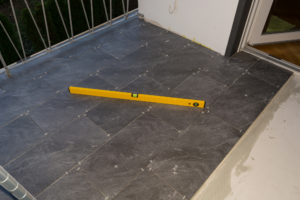
Granite, marble, slate, and travertine are naturally occurring stones that offer timeless beauty and durability. Opt for stones that are locally sourced to reduce transportation emissions. Natural stone tiles can elevate the look of any space and provide a sense of luxury. However, it’s important to choose stone that has been quarried and processed with minimal environmental impact. Look for certifications like the National Stone Sustainability Standard (NSCS) to ensure responsible sourcing practices.
Cork Tiles
Cork is a renewable resource harvested from the bark of cork oak trees without harming the tree itself. Cork tiles are naturally insulating, sound-absorbing, and soft underfoot, making them a great choice for flooring, particularly in high-traffic areas like kitchens and hallways. Cork tiles also boast natural antimicrobial properties, contributing to improved indoor air quality.
Linoleum Tiles
Made from linseed oil, wood flour, cork dust, and other natural materials, linoleum is a biodegradable and renewable flooring option. It comes in various colours and patterns and is known for its durability and ease of maintenance. Linoleum tiles are a versatile choice that can suit a variety of design styles, from classic to contemporary.
Bamboo Tiles
Bamboo is a fast-growing grass that regenerates quickly, making it a sustainable material for flooring. Bamboo tiles are available in different styles and colours and are known for their strength and water resistance. Bamboo is a great eco-friendly alternative to traditional hardwood flooring, offering a beautiful and durable option for your home.
Choosing the Right Sustainable Tile
When selecting sustainable tiles, consider the following factors:
- Material: Choose tiles made from recycled, renewable, or natural materials.
- Sourcing: Opt for locally sourced materials to reduce transportation emissions.
- Durability: Select tiles that are durable and long-lasting to minimise the need for replacements.
- Manufacturing process: Look for tiles that are produced using eco-friendly processes that minimise waste and energy consumption.
- Certifications: Look for tiles that have been certified by reputable organisations like the Forest Stewardship Council (FSC) or the Global Organic Textile Standard (GOTS).
The Benefits of Sustainable Tiles
Choosing sustainable tiles not only benefits the environment but also offers several advantages for homeowners:
- Reduced environmental impact: Sustainable tiles help reduce your carbon footprint and conserve natural resources.
- Improved indoor air quality: Many sustainable tiles are made from natural materials and are free from harmful chemicals, contributing to healthier indoor air.
- Unique aesthetic: Sustainable tiles often have a unique character and charm that can enhance the beauty of your home.
- Durability: Many sustainable tiles are durable and long-lasting, providing value for your investment.